Quick answer
Silves wine tasting at Quinta do Francês costs 17.5 EUR per person and includes a guided tour with three wines, typically from indigenous Portuguese varieties grown in the Odelouca valley. Sessions run weekdays from 10:00 to 17:30, with English-language tours scheduled between 10:30 and 14:30. The estate closes weekends, so advance booking for midweek visits is essential.
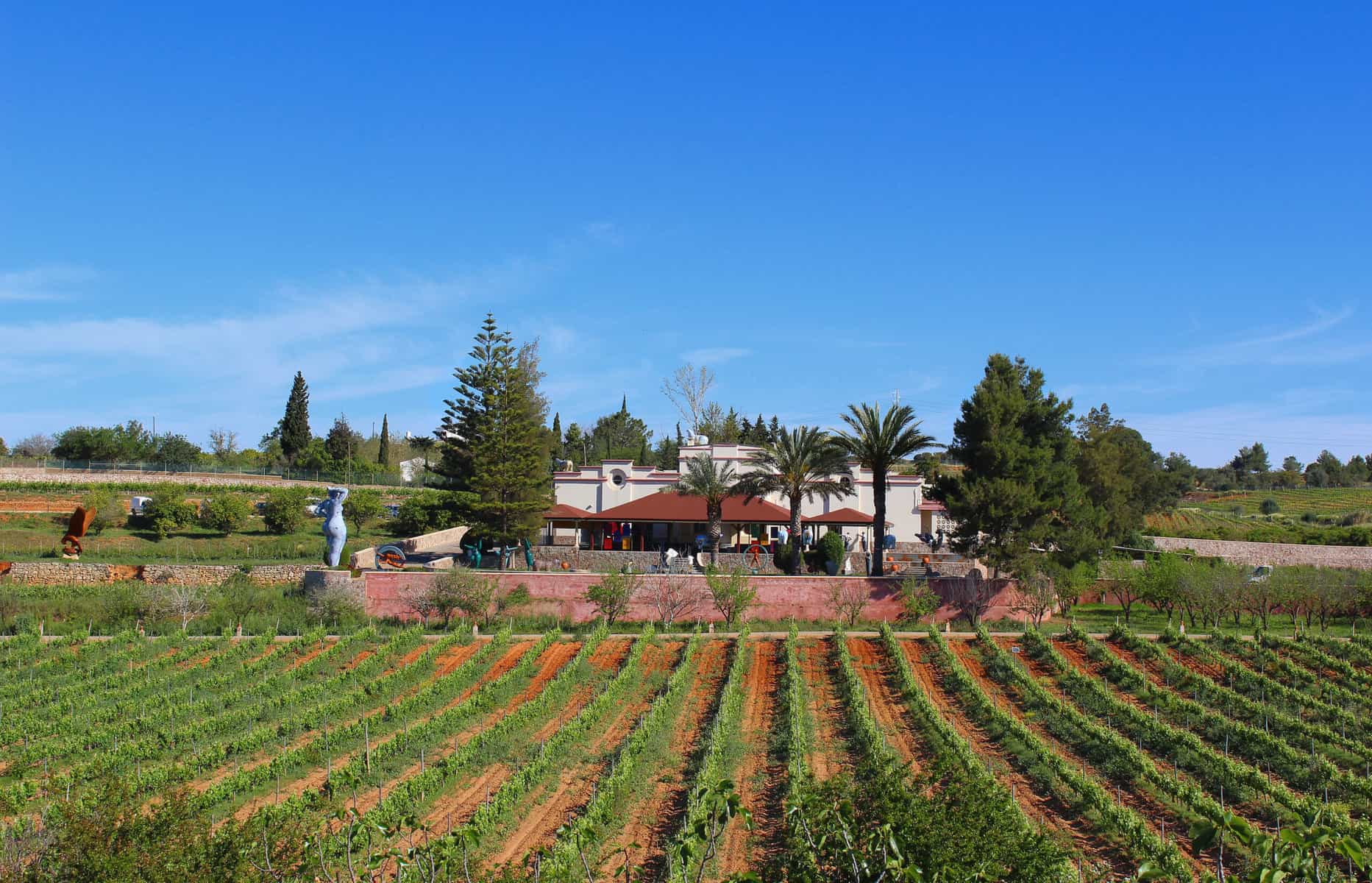
Most visitors to the Algarve expect coastline, not terroir. Yet Silves anchors a centuries-old wine corridor where schist soils and Atlantic influence produce wines distinct from the Douro or Alentejo. The region's winemaking tradition predates the Moorish occupation, and modern estates like Quinta do Francês preserve that legacy while adapting to sustainable viticulture and controlled appellations. A typical tasting session opens with a vineyard walk, where guides explain the role of elevation and microclimate in shaping acidity and ripeness. You will encounter Castelão, Aragonez, and Touriga Nacional among the reds, often aged in French or Portuguese oak, and Arinto or Verdelho among the whites. The emphasis falls on varietal expression rather than blending philosophy, so each pour illustrates a single grape's response to the estate's terroir. Guides discuss harvest dates, fermentation choices, and the balance between fruit intensity and mineral backbone, offering context that transforms the tasting from ritual to education. Silves wine tasting tours occupy the middle ground between industrial winery visits and boutique cellar-door experiences. Quinta do Francês, located in the Odelouca subregion, produces fewer than 50,000 bottles annually, a scale that permits hands-on winemaking and personalized sessions. The property integrates viticulture with cork oak management, a dual-crop model common in this part of Portugal, and the tour often includes discussion of cork forestry and its economic weight in the Algarve interior. Logistical planning matters here. The estate operates weekdays only, and English-language sessions cluster in late morning through early afternoon. Transport from coastal Algarve towns requires a car or pre-arranged transfer, as public transit does not serve the rural Odelouca valley reliably. Visitors combining wine tasting with Silves's medieval castle or archaeological sites should allocate a full day, as the 25-kilometer inland route and appointment-based scheduling discourage rushed itineraries. The region rewards deliberate pacing, not checklist tourism.
“The region's winemaking tradition predates the Moorish occupation, and modern estates preserve that legacy while adapting to sustainable viticulture.”
Silves Wine Tasting Opening Hours
The Quinta do Francês estate operates on a consistent weekly schedule for visitors interested in wine tasting. Please consult the table below for the daily operating times.
| monday | 10:00–17:30 | |
|---|---|---|
| tuesday | 10:00–17:30 | |
| wednesday | 10:00–17:30 | |
| thursday | 10:00–17:30 | |
| friday | 10:00–17:30 | |
| saturday | Closed | |
| sunday | Closed |
How to Reach Your Silves Wine Tasting Destination
The winery is located in the rural area of Odelouca, north of Silves. Given its countryside position, travel by car is the most practical method for reaching the estate.
Follow the A22 or N124 to Silves, then proceed north toward Odelouca
Request a local taxi service from Silves or the nearest train station
Regional Grapes and Silves Wine Tasting Traditions
The Silves region is defined by its unique Mediterranean climate and clay-limestone soils, which shape the character of its local viticulture. This terroir supports the production of wines that reflect both the history of the Algarve and the specific conditions of the Odelouca valley.
Algarve Indigenous Grapes
Local producers frequently utilize Negra Mole, a grape variety historically significant to the Algarve region, alongside international varieties like Syrah and Touriga Nacional.
Silves Terroir Influence
The clay-limestone composition of the soil in this area contributes to a distinct mineral profile and acidity in the wines.
Traditional Harvesting Methods
Manual harvesting remains a common practice in smaller vineyards near Silves to ensure grape quality during the selection process.
Coastal Climate Impact
Proximity to the Atlantic Ocean introduces cooling breezes that regulate temperature, allowing grapes to maintain balance between sugar content and natural acidity.
Viticultural History
Winemaking in the Silves region dates back to antiquity, influenced over centuries by Phoenician, Roman, and Moorish agricultural traditions.
Modern Vinification
Current regional traditions balance these historical influences with precise temperature-controlled fermentation to preserve fruit-forward characteristics in white and red wines.
Check availability
Frequently asked questions about silves wine tasting
Everything you need to know about silves wine tasting